
Trézor.io/Start — Starting Up™ Your Device | Trézor®
Trezor.io/start helps beginners understand Trezor hardware wallet setup, including device preparation, recovery protection, Trezor Suite installation, account organization, transaction verification, and essential security practices.
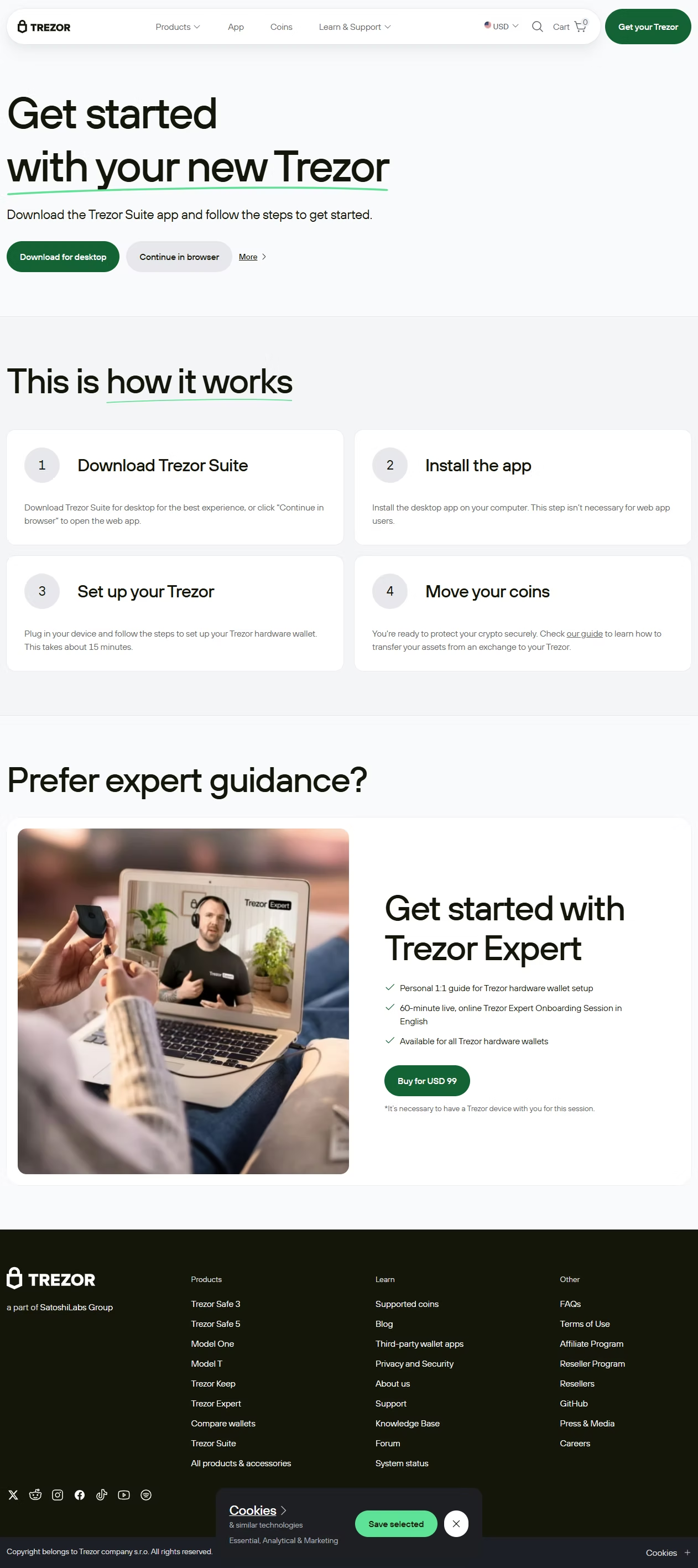
Trezor.io/start: Complete Guide to Setting Up Your Trezor Wallet
Getting started with a hardware wallet can feel unfamiliar, especially when you are using one for the first time. Trezor.io/start provides a starting point for users who want to set up a compatible Trezor hardware wallet and learn how to manage their digital assets securely. A careful setup process can make the experience easier while helping users understand the security features behind hardware-based cryptocurrency storage.
Unlike a traditional online wallet, a hardware wallet is designed to keep important wallet credentials protected on a dedicated physical device. Trezor.io/start can help users move through the initial stages of preparing their device and connecting it with the appropriate wallet software.
What Is Trezor.io/start?
Trezor.io/start refers to the Trezor setup starting point used by customers preparing a Trezor hardware wallet. It is intended to guide users through the process of getting their device ready for cryptocurrency management.
For beginners, having a dedicated starting point can reduce confusion. Rather than searching randomly for installation instructions or downloading software from unknown websites, users can follow the setup guidance associated with their Trezor wallet.
The available setup experience may differ depending on the device model and current software environment, so users should follow the instructions displayed during their own setup.
Preparing Your Trezor Device
Before beginning, place your Trezor device and its included materials nearby. Use a trusted computer and make sure the device is connected properly during setup.
It is important to pay attention to every instruction shown during the initialization process. Hardware wallet security depends not only on the device itself but also on how the user handles recovery information, PINs, passwords, and transaction confirmations.
Avoid rushing through the setup simply to reach the wallet dashboard. Understanding each step can help prevent mistakes later.
Installing the Required Wallet Software
A hardware wallet normally works together with wallet-management software. Trezor Suite provides the interface used to interact with compatible Trezor devices and manage supported cryptocurrency accounts.
When obtaining wallet software, always use an official and trusted source. Fake wallet applications and phishing websites can imitate legitimate services and may attempt to collect sensitive information.
Once the appropriate software is installed, connect the Trezor device and follow the setup instructions. The software may guide you through device preparation, updates, wallet creation, and account configuration.
Understanding the Recovery Seed
The recovery seed is one of the most important parts of a hardware wallet setup. It can be used to restore access to cryptocurrency accounts if the original hardware wallet becomes lost or unavailable.
Because the recovery seed provides powerful access to a wallet, it must remain private. Write it down using the recommended method and store it somewhere secure and offline.
Never send your recovery seed through email or messaging services. Do not save it as an online document, photograph, screenshot, or cloud file. Most importantly, never enter the recovery seed into a website because someone claims it is required for verification or account recovery.
Creating and Managing Accounts
After the device has been initialized, users can work with supported cryptocurrency accounts through the wallet software. Account management may include checking balances, reviewing transaction history, and organizing different supported assets.
If you plan to manage several cryptocurrencies, keeping accounts organized from the beginning can make future activity easier to understand.
Always verify the cryptocurrency network and destination address before sending funds. Blockchain transactions generally cannot be reversed simply because an incorrect address was entered.
Confirm Transactions Carefully
A key part of using a hardware wallet is reviewing transactions before approving them. When transaction details are displayed on the Trezor device, compare them with what you intended to send.
Pay special attention to the recipient address and amount. Do not approve a transaction automatically just because it was initiated from a familiar computer.
Taking a few additional seconds to verify important information can help reduce the risk of sending assets to an unintended destination.
Avoid Common Setup Mistakes
New users sometimes make mistakes by downloading software from advertisements, sharing recovery information with supposed support agents, or following instructions from unverified online posts.
Another common mistake is keeping recovery information in an easily accessible digital location. Convenience should never take priority over wallet security.
If a website or person asks for your recovery seed, treat the request as suspicious. Your recovery information should remain under your control.
Keeping Your Wallet Secure
Security does not end when the initial Trezor setup is complete. Continue using trusted software, keep your device and recovery information secure, and remain cautious when interacting with cryptocurrency websites.
Keep your PIN private and avoid allowing other people to watch while you enter sensitive information. When reviewing transactions, use the hardware device as an important verification point.
It is also sensible to keep wallet software maintained and follow trusted instructions when updates are available.
Final Thoughts
Trezor.io/start provides a useful starting point for users preparing a Trezor hardware wallet. By following the setup process carefully, connecting the device with the appropriate software, protecting the recovery seed, and verifying transactions, users can establish a more secure foundation for managing supported digital assets.
The most important part of any hardware wallet setup is responsible security. Never share recovery information, avoid suspicious websites and downloads, and verify important transaction details before confirmation.
With careful preparation and good security habits, the Trezor wallet setup process can become much easier to understand and manage over time.
Updated about 9 hours ago